
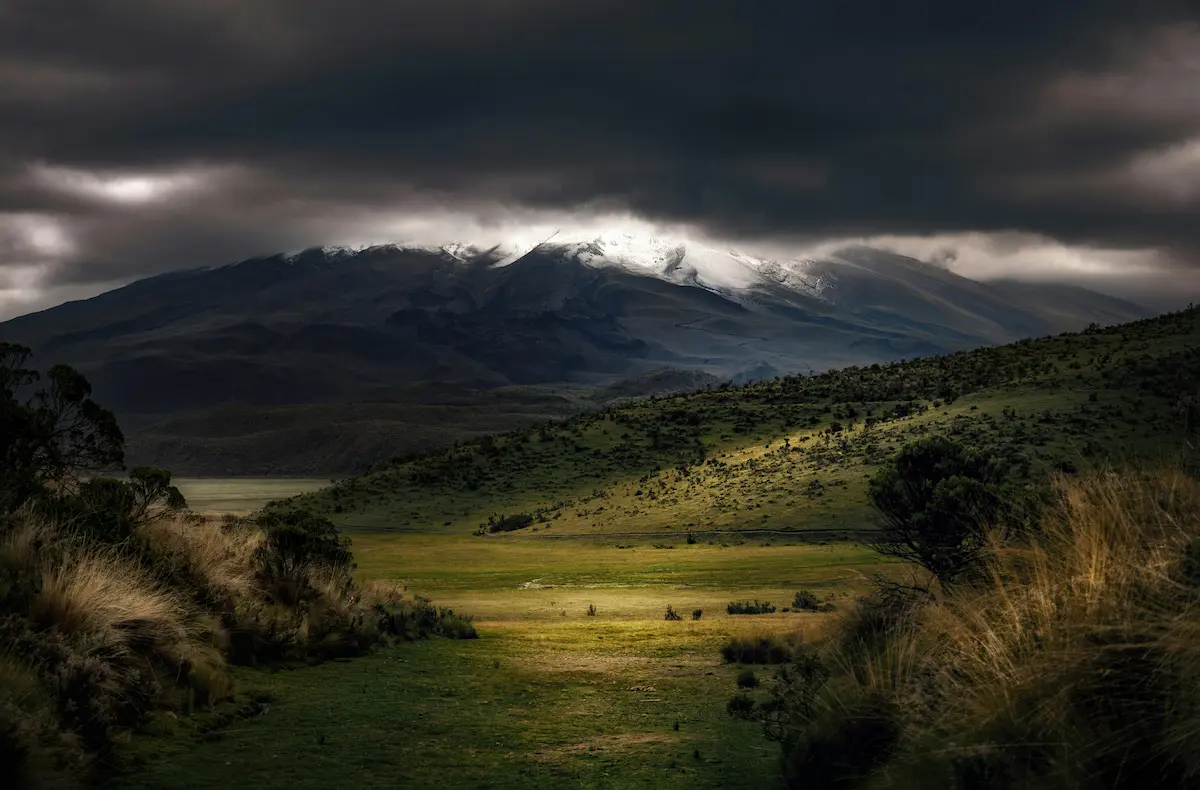
What Makes Countryside Videography Different from CityFilmmaking
Countryside videography and city filmmaking follow very different rhythms. While urban environments are fast-paced and controlled, rural locations offer space, silence, and authenticity – elements that shape the entire storytelling process. In the countryside, natural light replaces artificial setups, and landscapes become part of the story. Fields, mountains, and villages provide organic backdrops that change with the time of day and the seasons, creating a timeless cinematic feel. Rural videography focuses more on real moments and genuine emotion.
There’s less staging and more observation, allowing stories to unfold naturally. Patience is essential waiting for the right light, weather, or moment often leads to the most powerful shots. Unlike city filmmaking, which relies heavily on logistics and structure, countryside videography values simplicity, adaptability, and respect for the environment. The result is a more honest, atmospheric, and emotionally grounded visual story. The countryside doesn’t rush and neither should its stories.
Practical Tips for Countryside Videography
1) Plan Around Natural Light
In rural locations, light is your main tool. Scout locations at different times of day and schedule shoots early morning or late afternoon for softer, cinematic results.
2) Travel Light
Countryside filming often means walking, uneven terrain, or limited access. Use minimal gear, portable rigs, and batteries you can rely on without power nearby.
3) Let the Environment Lead
Instead of forcing a shot list, adapt to what’s happening around you animals, wind, and people at work often create the best moments. weather changes,
4) Capture Ambient Sound
Silence, wind, footsteps, and natural sounds add depth. Always record ambient audio it’s something city filmmaking rarely offers.
5) Be Patient
Rural storytelling takes time. Wait for moments to unfold naturally instead of directing everything. Authenticity comes from observation.
6) Respect the Space
You’re often filming someone’s land, work, or home. Move quietly, ask questions, and blend into the environment.
7) Prepare for the Unexpected
Weather changes fast in the countryside. Bring protection for gear and always have a backup plan.

Leave a Reply