How to Tell a Story Without Words: A Guide to Visual Storytelling in Videography
In videography, words are optional emotion is not. Some of the most powerful films rely on visuals, movement, light, and sound rather than dialogue. Learning how to tell a story without words is essential for videographers who want to create authentic, cinematic content that resonates with any audience. Whether filming in the countryside, at a wedding, or for a local business, visual storytelling allows the message to be understood instinctively.
What Is Visual Storytelling? Visual storytelling is the art of communicating meaning through images rather than explanation. It relies on:
- Composition
- Light Movement
- Sound design
- Timing
Instead of telling the audience what to feel, visual storytelling allows them to experience the story.
Start With Observation, Not Direction
Strong non-verbal stories begin with observation. Pay attention to natural behavior, routines, and moments that unfold without intervention. These details often carry more emotional weight than scripted actions. Examples include:
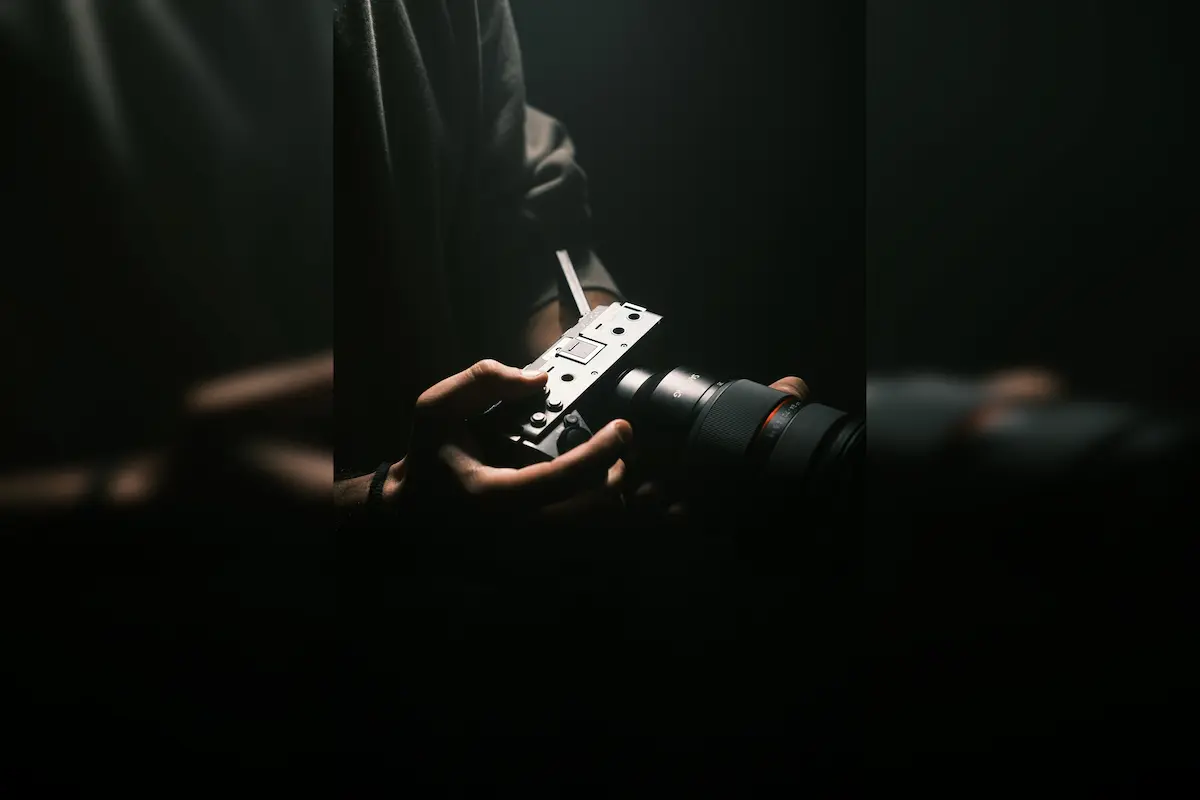
- Hands working
- A pause before movement
- A shift in light or weather
- Subtle facial expressions
These moments become the foundation of a visual narrative.
Use Composition to Guide Emotion
Framing influences how a viewer interprets a scene. Wide shots establish context, while close-ups create intimacy. Balanced composition feels calm, while negative space can suggest isolation or reflection. Each frame should serve a purpose not just look good.
Let Light Set the Mood
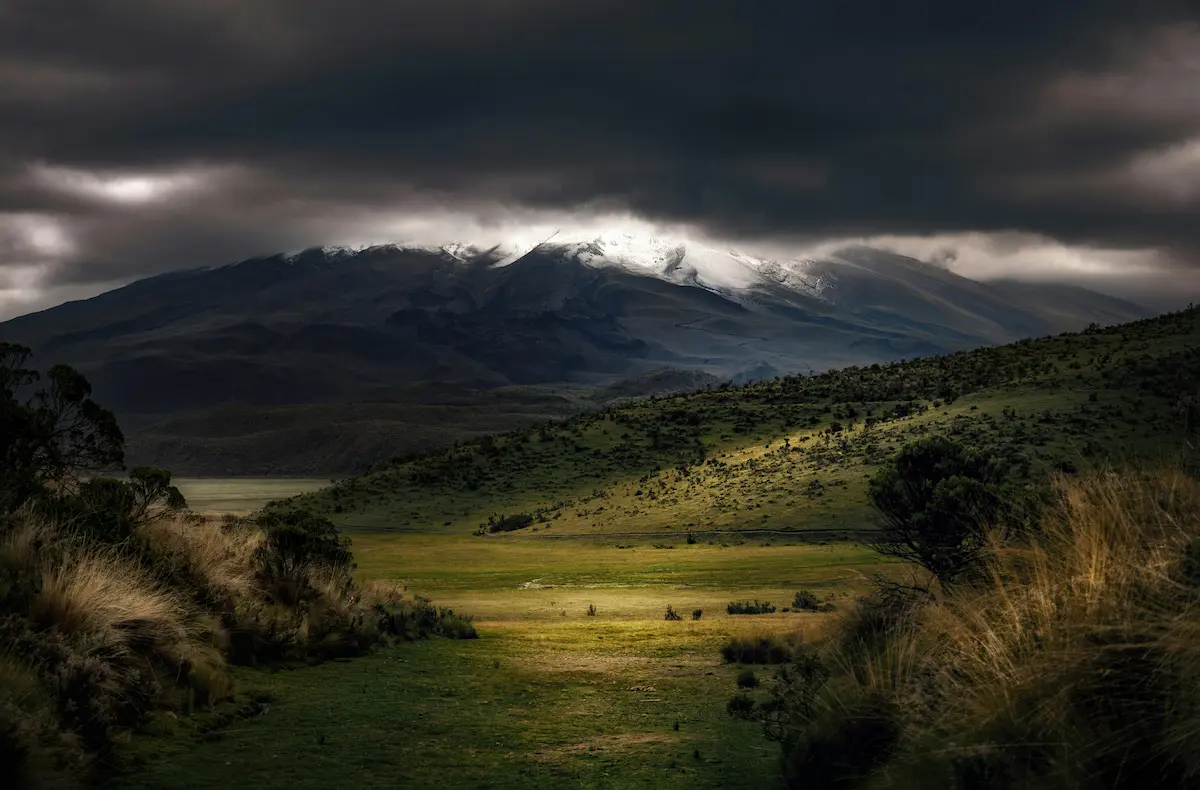
Light is one of the most powerful storytelling tools in videography. Natural light, especially in outdoor and countryside filming, creates atmosphere and authenticity. Soft light often feels intimate and calm, while harsh or directional light adds tension or contrast. Planning shoots around light can completely change how a story is perceived.
Movement Creates Flow
Camera movement affects emotional pacing. Slow, steady motion encourages reflection, while still shots allow the viewer to focus on details. Unnecessary movement can distract from the story, so every motion should feel intentional.
Sound Is Part of the Story – Even Without Words
Silence is never empty. Ambient sound – wind, footsteps, breathing, distant activity grounds the viewer in the scene. Sound design supports the visuals and enhances realism, especially when dialogue is absent. Music should complement the emotion, not overpower it.
Editing Is Where the Story Emerges
The story truly forms in the edit. Timing, rhythm, and transitions shape how the audience experiences emotion. A pause can be as powerful as a cut, and simplicity often has greater impact than complexity.
Why Wordless Storytelling Works So Well
Stories without dialogue cross language barriers. They feel honest, universal, and emotionally direct. For businesses, brands, and individuals, this approach creates connection without feeling promotional or forced.
Visual Storytelling for Modern Videography
In today’s fast-paced digital world, audiences respond more strongly to emotion than explanation. Visual storytelling allows videographers to create content that feels human, cinematic, and memorable. When words are removed, emotion becomes the language – and that is where powerful storytelling begins.